BlockBreaker100
Game content not available
Block Dropping Merge

Block Dropping Merge

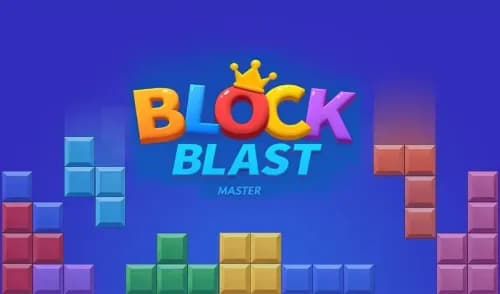
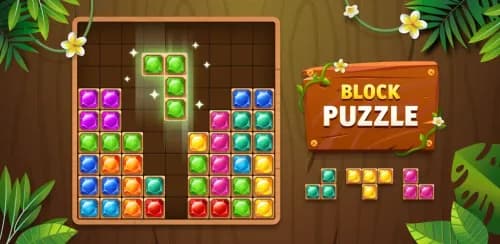
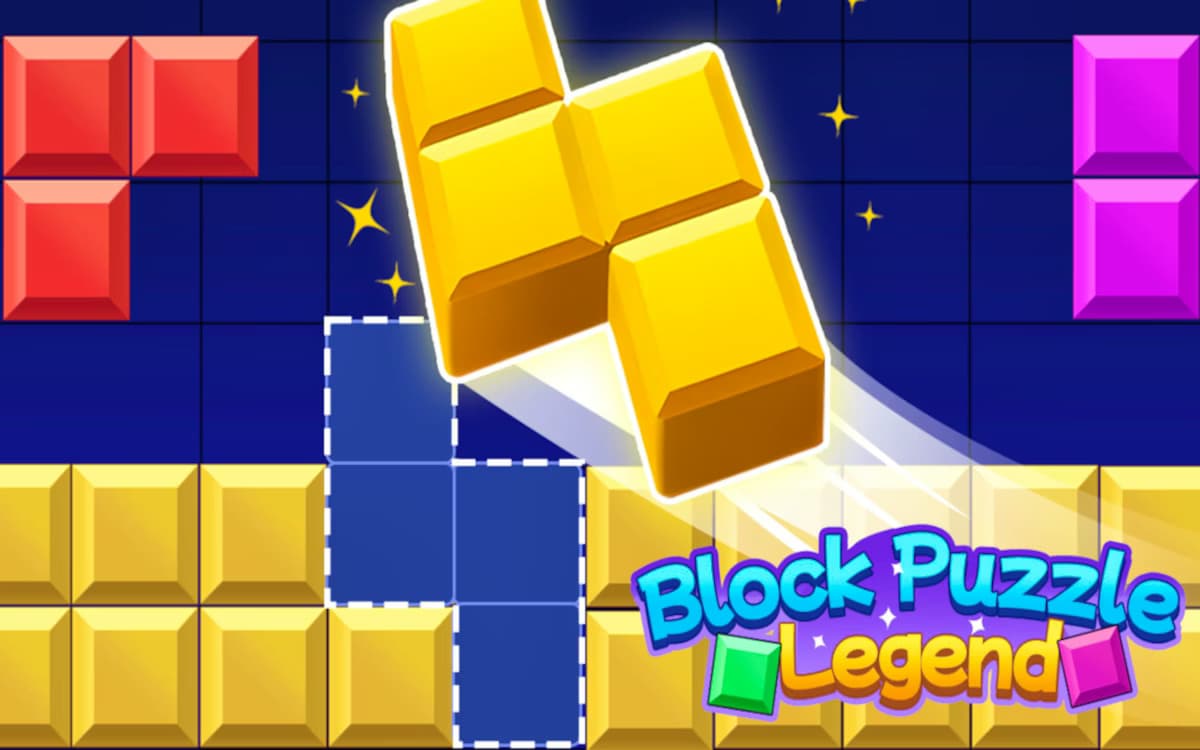
Block dropping merge games are browser-based puzzle games where players drop shaped blocks onto a grid and merge matching pieces to clear space and score points. Top titles include Suika Game, 2048 Drop, Block Blast, Merge Block Puzzle, and Tetris-style merge variants. Each game tests spatial reasoning and quick decision-making through satisfying chain-merge mechanics.

Game Details

  • PlatformBrowser (desktop, mobile, tablet)
  • TechnologyHTML5 (Unity WebGL)
  • Release Date2024
  • Last Updated2024

The 5 Best Block Dropping Merge Games Right Now

The 5 Best Block Dropping Merge Games Right Now

Block dropping merge games blend two satisfying mechanics — the tension of falling pieces and the reward of combining matching values — into an addictive puzzle experience that's tough to put down.

Whether you're killing five minutes or grinding for a high score, these games deliver layered strategic depth beneath their simple surfaces.

You're not just dropping blocks — you're planning two, three, even four moves ahead. Placement decisions compound quickly, and a single misread can bury your board in unmergeable clutter.

The best titles in this genre reward pattern recognition, spatial thinking, and controlled risk-taking.

To help you find the right game for your style, we've analyzed the top contenders based on mechanics, replayability, visual design, and skill ceiling.

Each pick on this list earns its spot by offering something distinct. Here's what makes each one worth your time. The genre has grown into a rich category of top-rated casual games that consistently attract players seeking both quick fun and deeper strategic challenge.

What Makes Block Dropping Merge So Hard to Put Down

What Makes Block Dropping Merge So Hard to Put Down

You can't put block dropping merge games down because they're engineered to keep you hooked across three interlocking mechanisms.

Each session nudges the difficulty upward just enough to challenge you without crushing you, while the endless replayability means no two runs ever feel identical.

Add in the strategic weight of every placement decision, and your brain stays locked in a constant cycle of planning, executing, and correcting.

Among the top block puzzle games available right now, the best titles consistently demonstrate this same addictive design philosophy that keeps players returning for just one more round.

Progressive Difficulty Keeps Engaging

What makes block dropping merge games genuinely difficult to put down is their carefully engineered progressive difficulty — a system that scales challenge in direct proportion to your growing skill.

Early rounds feel manageable, almost leisurely, giving you space to learn merging patterns without overwhelming pressure. But the game watches your progress and responds accordingly.

As your board fills and higher-value blocks appear, the decision windows tighten. You're no longer just placing blocks — you're anticipating chain reactions three moves ahead.

Mistakes compound faster, and recoveries demand sharper thinking.

This escalation creates a compelling feedback loop: you improve, the game gets harder, you improve again.

You're never bored and never completely overwhelmed. That precise balance between challenge and competence is exactly what keeps you returning for one more round.

Endless Replayability Defies Stopping

Once you finish a round of block dropping merge, the urge to start another hits immediately — and that's no accident.

These games are engineered around a core loop that never truly resolves. Every session generates a unique board state, meaning no two games play out identically. You're constantly chasing a higher score, a cleaner board, or a merge you've never pulled off before.

The randomness of incoming blocks keeps you adapting rather than memorizing. You can't autopilot your way through — each drop demands a decision. That mental engagement creates genuine investment.

There's also no definitive "win" condition in most block dropping merge games. You play until the board fills, reset, and immediately spot what you'd do differently.

That cycle of reflection and retry is precisely what makes stopping feel impossible.

Strategic Thinking Demands Attention

Beyond the pull of one more attempt, block dropping merge games hook you with something deeper — they actually make you think. Every block you drop carries consequences.

You're not reacting instinctively; you're calculating placement, anticipating chain reactions, and managing limited board space simultaneously.

The challenge isn't just surviving — it's optimizing. Do you merge now for quick points, or hold off to build a larger combination?

That tension between short-term gains and long-term positioning keeps your brain fully engaged.

Unlike passive games, these demand active spatial reasoning. You're reading the board, predicting outcomes, and adjusting strategy mid-game as conditions shift.

One misplaced block can collapse your entire setup.

That mental investment is exactly why you can't walk away — you're always convinced you'll play smarter next time.

How Each Game Feels Different to Play

How Each Game Feels Different to Play

Each of the 5 block dropping merge games carries a distinct feel that shapes how you think, react, and strategize from one session to the next. One game might reward slow, deliberate placement while another punishes hesitation with rapid block sequences that demand split-second decisions.

You'll notice texture differences immediately. Some games use satisfying visual feedback when blocks merge, making combinations feel rewarding on a sensory level. Others strip that away, keeping your focus purely on numerical outcomes.

Pacing also separates these experiences sharply. Certain titles let you breathe between moves, while others accelerate pressure as your score climbs. That shift in tempo completely changes how you approach the board.

Control mechanics matter too. Whether you're dragging, tapping, or tilting blocks into position affects your muscle memory and comfort level.

Games like Mega Brick Breaker demonstrate how ball and paddle mechanics can introduce an entirely different layer of physical interaction compared to standard drop-and-merge formats.

Ultimately, each game builds a different relationship between you and the board, making variety across all five genuinely worth exploring.

Which Game Fits Your Play Style Best?

Which Game Fits Your Play Style Best?

Knowing how each game feels gives you a foundation, but picking the right one comes down to who you're as a player.

If you love number strategy and clean mechanics, 2048-style block droppers are your match. You'll thrive on calculating merges several moves ahead.

Prefer a faster, more reactive experience? Go with games that randomize piece drops heavily. They test your adaptability rather than pure planning, keeping every session unpredictable.

If you're drawn to visual satisfaction and casual pacing, merge games with colorful themed pieces suit you better. They reward pattern recognition without punishing slow decisions.

Competitive players who chase leaderboards should target games with scoring multipliers and combo systems. Every drop becomes a calculated risk worth taking.

Beginners benefit most from games offering undo buttons or preview windows, since those features reduce frustration while you're learning spatial reasoning.

Many 2048 brick-style games are now accessible directly through a browser with no downloads required, making it easier than ever to jump in without commitment.

Your ideal game already exists. You just needed to know yourself first.

Are These Games Free or Do They Cost Money?

Are These Games Free or Do They Cost Money?

Most block dropping merge games are free to download on both the App Store and Google Play, though you'll often encounter in-app purchases for removing ads, accessing premium features, or buying extra moves.

Some titles offer a one-time paid version that eliminates ads entirely, giving you a cleaner experience without ongoing costs.

Knowing where and how each game monetizes itself helps you choose one that fits your budget before you commit your time to it.

Free vs. Paid Options

When it comes to block dropping merge games, you'll be happy to know that the vast majority are free to play, whether you're downloading them from the App Store, Google Play, or jumping straight into a browser-based version.

However, monetization models vary:

  • Free with ads: Most mobile versions include optional rewarded ads for extra moves or power-ups.

  • Freemium: Some titles offer free core gameplay but restrict premium features behind in-app purchases.

  • Paid premium: A small selection charges upfront, typically delivering an ad-free, fully accessible experience.

Your best strategy is starting with free versions to test whether the mechanics click with you.

If you find yourself genuinely hooked, upgrading to a paid version often delivers a cleaner, uninterrupted experience worth the modest investment.

In-App Purchase Details

Block dropping merge games walk a fine line between generous and greedy when it comes to monetization, and understanding exactly what's free versus what'll cost you helps you avoid surprises. Most titles offer a core free experience with optional purchases layered on top.

You'll typically encounter three purchase categories: ad removal ($1.99–$4.99), cosmetic packs like themed block skins ($0.99–$2.99), and hint or undo bundles ($0.99 for 10–20 uses). Subscription models are becoming more common, bundling all premium features for $2.99–$4.99 monthly.

The critical distinction is whether purchases affect gameplay balance. Cosmetics and ad removal don't impact your score, but purchasing unlimited undos fundamentally buys competitive advantage.

Always check the store listing's "In-App Purchases" disclosure before downloading so you know exactly what you're signing up for.

Where To Download

Finding these games is straightforward since all five block dropping merge titles are available for free on both the Apple App Store and Google Play Store. You can download them instantly without spending a single dollar upfront.

Here's where to grab each one:

  • Apple App Store – Search each game title directly, filter by free apps, and download within seconds

  • Google Play Store – Compatible with most Android devices running version 5.0 or higher

  • Browser versions – Several titles offer playable web versions through sites like blockbreaker100.com, requiring no download at all

You'll notice that while downloading costs nothing, some titles include optional paid content covered in the previous section.

Starting free means you're risking zero money to discover which game fits your style best.

How to Score Higher Without Starting Over Constantly

Scoring higher in block dropping merge games doesn't require restarting every time your board gets messy—it requires smarter planning before the chaos sets in. Focus on consolidating same-value blocks toward one corner, keeping your highest-value pieces anchored there consistently.

Don't drop blocks randomly just because a slot looks open. Every placement should create a merge opportunity or preserve future movement. When you stack carelessly, you fragment your board and cut off chain reactions you'd otherwise trigger.

Watch your upcoming block queue. If you know what's dropping next, you can position your current piece to set up a two or three-move merge sequence rather than reacting blindly.

Prioritize clearing lower-value clutter early. Small unmerged blocks accumulate fast and choke your board faster than high-value pieces ever will.

Finally, accept near-losses as learning moments. Studying why your board collapsed teaches you patterns that permanently improve how you read future situations. In grid-based puzzle games, intentionally clearing complete lines rewards you with points and opens up critical space that prevents your board from locking up prematurely.

Mobile, Browser, or App Store: Where to Find These Games

Where you play block dropping merge games shapes your experience just as much as how you play them. Each platform delivers something different, so choosing wisely saves you frustration.

Here's where to look:

  • Browser: Sites like blockbreaker100.com let you jump in instantly without downloads, making them ideal for quick sessions at your desk.

  • App Store (iOS) and Google Play: These platforms offer polished, optimized versions with offline access, haptic feedback, and regular updates that elevate gameplay.

  • Web-based mobile play: Many browser games now run smoothly on mobile Chrome or Safari, giving you flexibility without committing to a download.

Your choice depends on your habits. If you're grinding for high scores daily, a downloaded app gives you push notifications and progress tracking.

If you're a casual explorer, browser versions remove all friction. Either way, the core merge mechanics stay sharp across every platform.

Block Dropping Merge: Frequently Asked Questions

Like a traveler who doesn't always need a map, you can often play block dropping merge games offline.

Many of these games download their core mechanics directly to your device, letting you merge and drop blocks without Wi-Fi.

However, some features—like leaderboards or cloud saves—require internet.

You'll want to check each game's specific requirements before assuming full offline availability.

Most block dropping merge games don't natively support real-time multiplayer, but you'll often find competitive elements through leaderboards and score-sharing features.

Games like 2048 and similar titles let you challenge friends indirectly by comparing high scores on global rankings. Some browser-based versions integrate social platforms, enabling competitive play.

However, if you're seeking head-to-head multiplayer modes, you'll need to explore specialized hybrid puzzle games that specifically advertise that feature.

Like a playground open to all ages, block dropping merge games generally don't enforce strict age restrictions.

You'll find most titles rated E for Everyone, making them accessible to kids and adults alike.

However, some platforms require you to be 13+ due to data privacy laws like COPPA.

Always check the specific site's terms before playing, as age policies vary across different online gaming platforms.

Your average block dropping merge game session typically lasts between 5 and 20 minutes, though you'll often find yourself playing longer as strategies deepen.

Casual players tend to wrap up in under 10 minutes, while competitive players push sessions toward 30 minutes chasing high scores.

The game's addictive loop of dropping, merging, and planning keeps you engaged, making it easy to lose track of time entirely.

Most block dropping merge games do save your progress automatically between sessions, so you won't lose your hard-earned score when you close the app.

Browser-based versions, however, often rely on local storage or cookies, meaning clearing your browser data could erase everything.

Mobile versions typically offer more reliable cloud saving. You'll want to check each game's specific settings to confirm how its save system works.